TDS Updates: New Units & Strategies for Tower Defense Simulator
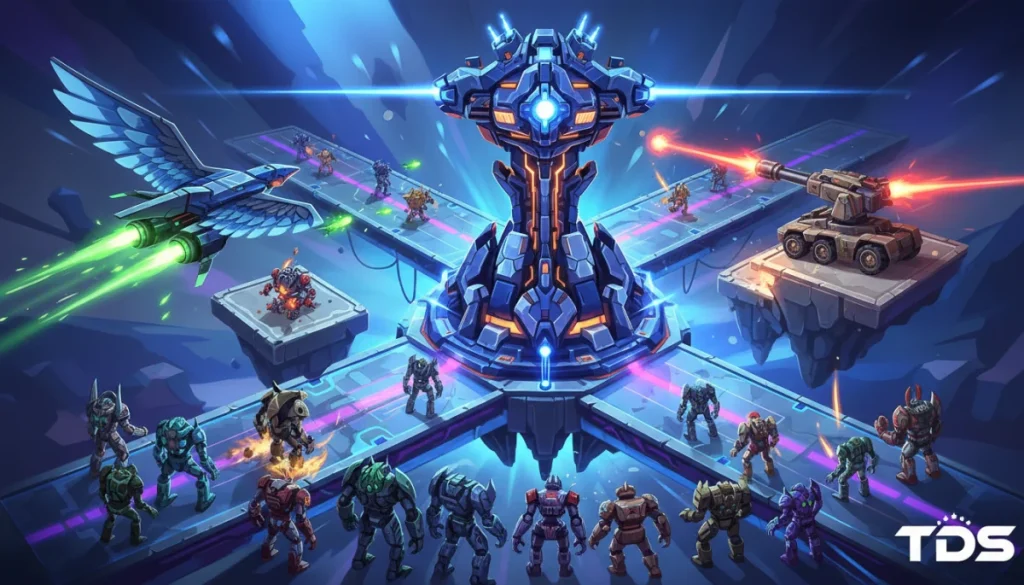
The latest TDS updates introduce powerful new units and require refined strategies for Tower Defense Simulator, demanding players adapt their approaches to maintain dominance and effectively counter evolving threats on the battlefield.
Are you ready to dive deep into the ever-evolving world of Tower Defense Simulator? The recent TDS updates new units and overhauled mechanics have fundamentally shifted the meta, presenting both exciting opportunities and formidable challenges for players across the United Kingdom and beyond. Understanding these changes is crucial for anyone aiming to conquer the toughest waves.
Understanding the Latest TDS Updates
Tower Defense Simulator (TDS) consistently delivers fresh content, keeping its dedicated player base engaged and on their toes. The most recent updates have brought significant alterations, from new tower additions to rebalancing existing units and tweaking enemy behaviors. These changes aren’t just cosmetic; they demand a fundamental re-evaluation of established strategies and a willingness to adapt.
One of the core aspects of these updates revolves around enhancing gameplay variety. Developers aim to prevent stagnation by introducing units that fill specific niches or offer unique utility, forcing players to think beyond conventional setups. This constant evolution ensures that no single strategy remains dominant for too long, promoting continuous experimentation and skill development.
Key Changes in Unit Mechanics
Many existing units have received adjustments to their damage, range, or cost, impacting their viability in various game modes. Some towers that were once staples might now be less effective, while previously overlooked units could emerge as powerful contenders. Players must scrutinize patch notes and community discussions to stay informed.
- Damage Adjustments: Several high-tier towers have seen slight reductions in damage output to prevent them from becoming overly dominant, encouraging a more balanced approach.
- Cost Rebalancing: Some early-game units are now more affordable, making initial defenses stronger, while others have increased costs to reflect their late-game power.
- Ability Tweaks: Special abilities of certain units, such as stun durations or area-of-effect radii, have been modified, influencing their strategic placement and timing.
The overall impact of these mechanical changes is a more dynamic and challenging game environment. Players who quickly grasp these nuances will undoubtedly have an edge, allowing them to formulate effective counter-strategies against increasingly complex enemy waves. Staying updated on these details is paramount for competitive play.
Introducing the New Units: Capabilities and Roles
The highlight of any major TDS update is often the introduction of new units, each bringing distinct capabilities and strategic roles to the battlefield. These additions are designed to expand tactical possibilities, address existing gameplay gaps, or introduce novel mechanics that challenge players to innovate. Integrating them effectively requires careful consideration of their strengths and weaknesses.
For instance, a new unit might specialize in high single-target damage, making it ideal for boss waves, while another could offer unparalleled area-of-effect capabilities, perfect for clearing large groups of weaker enemies. Understanding where each new unit fits into your overall defense plan is the first step towards mastering them. Their synergy with existing towers is also a critical factor.
The Sentinel: A New Defensive Backbone
The Sentinel unit has quickly become a cornerstone for many players, offering robust defenses and impressive crowd control. Its primary strength lies in its ability to slow down multiple enemies simultaneously, providing valuable time for other damage-dealing towers to eliminate threats. Proper placement of the Sentinel can significantly extend the lifespan of your defense line.
- Area Slowdown: The Sentinel emits a persistent aura that reduces enemy movement speed within its radius, making it excellent for chokepoints.
- Moderate Damage: While not a primary damage dealer, it contributes a respectable amount of sustained damage, especially against slower targets.
- Affordable Upgrade Path: Its upgrade costs are balanced, allowing for early acquisition and gradual scaling into the mid-game.
The Sentinel’s versatility makes it a strong contender for almost any setup, particularly in modes where enemy swarms are prevalent. Its presence allows for more aggressive tower placements further down the path, knowing that any leaks will be significantly impeded. This unit truly exemplifies how new additions can redefine defensive strategies, offering both utility and damage in a single package.
Evolving Strategies for Early Game Dominance
The early game in Tower Defense Simulator is often the most critical phase, setting the tone for the entire match. With TDS updates new units and rebalances, initial placements and economic decisions have become even more nuanced. A strong start ensures you build a robust economy and establish a defense capable of weathering the initial onslaught, paving the way for late-game success.
Previously, certain units dominated the early game due to their low cost and high efficiency. While some of these remain viable, new units and rebalances have opened up alternative starting strategies. Players must now evaluate the cost-benefit of different early-game towers more carefully, considering their scalability into the mid and late game.
Optimizing Initial Placements
The first few towers you place are paramount. Consider units that offer good value for money, have decent range, and can handle a variety of early-game enemy types. Placing them strategically at curves or chokepoints maximizes their effectiveness, ensuring no enemy slips through. Balancing economy with defense is key here; don’t overspend on defense if it cripples your ability to earn cash.
- Path Coverage: Ensure your first towers cover as much of the initial path as possible, ideally targeting enemies multiple times.
- Economy Boosters: Integrate cash-generating units early, but only once your defense is stable enough to handle incoming waves without leaks.
- Upgrade Priority: Identify which early towers offer the best return on investment for their first few upgrades, as these can significantly boost their early-game power.
Mastering the early game involves a delicate balance of aggressive defense and prudent economic management. Experiment with different starting units and upgrade paths to find what works best for your playstyle and the specific map you are on. Remember, a solid foundation built in the early waves is the bedrock of any successful TDS run.
Mid-Game Adjustments: Adapting to New Threats
As the game progresses into the mid-game, enemy types become more diverse, introducing new challenges like armored units, fast movers, and aerial threats. The strategies that worked in the early game may no longer be sufficient, requiring significant adjustments to your defense. This phase often demands a blend of specialized damage, crowd control, and multi-target capabilities.
The introduction of new units in recent TDS updates new units plays a crucial role here. Some of these units are specifically designed to excel in the mid-game, providing solutions to problems that older units struggled with. Integrating these new additions into your existing setup effectively can be the difference between victory and defeat.

Countering Armored and Fast Enemies
Armored enemies require units with high penetration or sustained damage, while fast enemies demand towers with quick attack speeds or slowing abilities. A balanced defense will incorporate both. Consider units that can strip armor or apply debuffs, alongside those that can quickly eliminate high-priority targets before they reach your base.
- Armor Breakers: Units like the Minigunner or certain new units with armor-piercing capabilities become essential.
- Crowd Control: Towers with stun, freeze, or slowdown effects are invaluable for managing fast-moving threats.
- Targeting Modes: Utilize towers with specific targeting modes (e.g., ‘strongest’ for armored, ‘first’ for fast) to maximize efficiency.
The mid-game is a test of adaptability. Players must constantly assess the incoming waves and make informed decisions about which towers to upgrade, which new units to deploy, and where to place them for maximum impact. Neglecting to adjust your strategy can quickly lead to your defenses being overwhelmed by the escalating difficulty.
Late-Game Domination: Synergies and Advanced Placements
Reaching the late game in Tower Defense Simulator signifies that your early and mid-game strategies have been successful. However, the late game presents the ultimate challenge, with massive waves of powerful enemies, often featuring high health, special abilities, and unique immunities. This phase demands perfected synergies between your units and highly optimized placements to achieve true domination.
The TDS updates new units have also introduced late-game powerhouses, units designed to tackle the most formidable threats. Understanding how these new units interact with established late-game staples is crucial. It’s not just about raw power; it’s about creating a cohesive, unstoppable defense that leverages every unit’s potential.
Maximizing Unit Synergies
Synergy is the art of making your units work better together than they do individually. This often involves placing support units, like the Commander or DJ Booth, strategically to buff your primary damage dealers. Consider how different damage types (e.g., splash, single-target, piercing) can complement each other to cover all enemy types.
- Buff Stacking: Learn which buffs can stack and how to position your support units to affect the maximum number of damage towers.
- Elemental Combinations: Some units may have elemental damage or debuffs that become more potent when combined with others.
- Chokepoint Concentration: Focus your highest damage output towers on key chokepoints where enemies will be slowed or grouped, maximizing their efficiency.
Advanced placements go beyond simply putting towers along the path. It involves understanding enemy pathing, splash radii, and attack priorities to create intricate death traps. Experiment with unconventional placements that might seem counter-intuitive at first but can yield devastating results when executed correctly. The late game is where true TDS masters shine, showcasing their deep understanding of game mechanics and strategic foresight.
Mastering Economic Management and Resource Allocation
Beyond the units and strategies, effective economic management is the silent backbone of success in Tower Defense Simulator. Regardless of how powerful the TDS updates new units are, without the cash to deploy and upgrade them, their potential remains untapped. Resource allocation, from spending on new towers to upgrading existing ones, is a continuous decision-making process that dictates your ability to adapt to changing threats.
Many players focus solely on defensive setups, overlooking the critical role of income generation. A well-managed economy allows for rapid scaling of your defense, enabling you to keep pace with the escalating difficulty of enemy waves. Ignoring this aspect often leads to being outpaced by the game’s progression, even with the strongest units available.
Balancing Income and Defense
The key is to find a sweet spot between investing in income-generating towers and bolstering your defenses. Early in the game, a small investment in an income unit can pay dividends later on. As the game progresses, you might need to shift your focus more towards defense, but never entirely neglect your income stream.
- Farm Placement: Place farms or other income units in safe spots where they won’t interfere with your defensive towers’ line of sight.
- Upgrade Prioritization: Decide whether to upgrade an income unit for faster cash flow or a defensive unit for immediate threat mitigation.
- Selling and Rebuying: In some situations, selling an early-game tower to fund a more powerful late-game unit or an urgent upgrade can be a viable strategy, though it carries risk.
Resource allocation is a dynamic process. It requires constant assessment of your current cash reserves, your defensive strength, and the impending enemy waves. Players who master this delicate balance will find themselves consistently outperforming others, leveraging their economic advantage to deploy and optimize the most effective units from the latest TDS updates.
Future-Proofing Your Strategies: Anticipating Updates
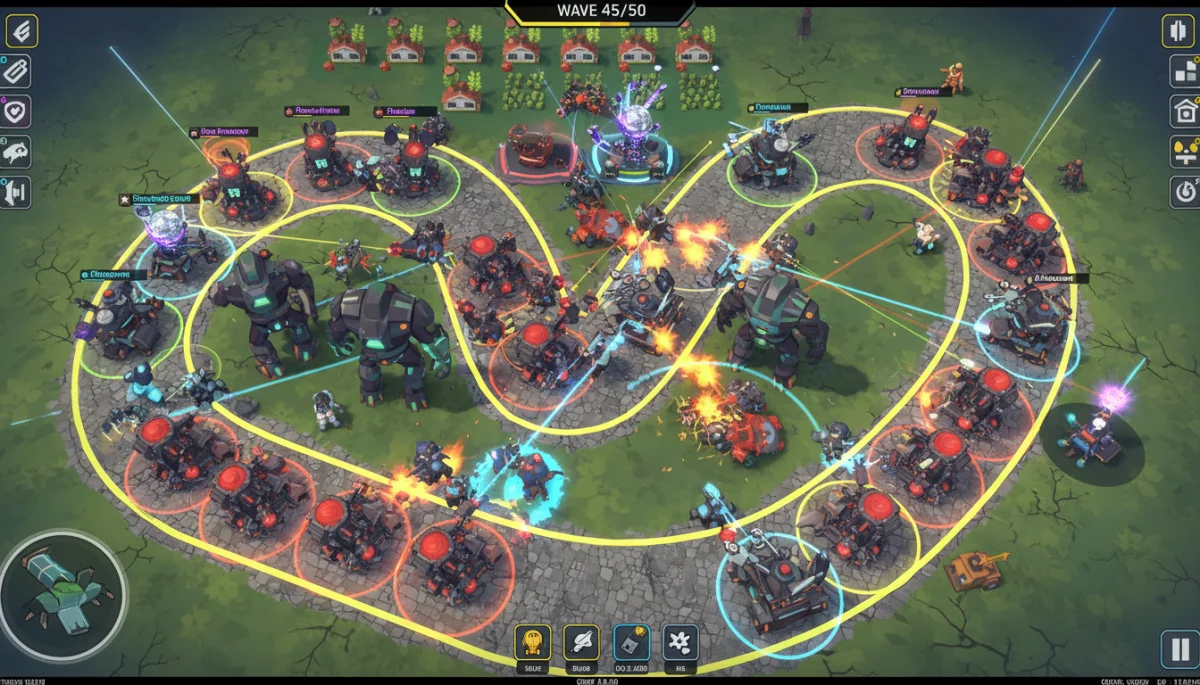
The world of Tower Defense Simulator is constantly evolving, with developers frequently releasing new content, balance changes, and events. To truly excel, players must not only adapt to current TDS updates new units but also develop a mindset of anticipating future changes. This proactive approach allows for quicker adjustments and ensures your strategies remain robust against the unexpected.
Staying informed involves more than just reading patch notes; it means engaging with the community, observing developer announcements, and understanding the general direction the game is taking. Are there new unit types being teased? Are certain mechanics being discussed for overhaul? These insights can help you prepare for what’s next.
Community Engagement and Developer Insights
Participating in official forums, Discord servers, and fan communities can provide invaluable insights into upcoming changes. Developers often share sneak peeks or gather feedback, offering clues about future updates. Being part of these discussions can help you identify emerging meta shifts before they become widespread.
- Patch Note Analysis: Always read official patch notes thoroughly to understand the precise impact of changes, rather than relying on hearsay.
- Content Creator Insights: Follow experienced TDS content creators who often analyze updates and provide early impressions of new units and strategies.
- Experimental Play: Don’t be afraid to experiment with new units and unconventional strategies on your own. Sometimes, the most effective approaches are discovered through trial and error.
By fostering a proactive approach to game updates, you transform from merely reacting to changes into actively shaping your understanding of the game’s future. This foresight is a powerful tool, allowing you to stay ahead of the curve and consistently dominate the Tower Defense Simulator battlefield, no matter what new challenges the developers introduce.
| Key Update Aspect | Brief Description |
|---|---|
| New Unit Introductions | Powerful new towers, like the Sentinel, offer unique crowd control and damage capabilities, altering meta strategies significantly. |
| Unit Rebalancing | Adjustments to existing units’ damage, cost, and abilities necessitate re-evaluating their roles in different game stages. |
| Strategic Adaptations | Players must develop new early, mid, and late-game strategies to incorporate updated units and counter evolving enemy types. |
| Economic Management | Effective cash generation and resource allocation are crucial for deploying and upgrading the latest powerful units. |
Frequently Asked Questions About TDS Updates
The latest TDS updates introduce several new units, rebalance numerous existing towers, and adjust enemy behaviors. These changes fundamentally shift meta-strategies, requiring players to adapt their early, mid, and late-game approaches to maintain efficiency and overcome increasingly challenging waves.
New units often fill specific roles, such as enhanced crowd control or specialized damage types, which can either strengthen existing strategies or create entirely new viable defense compositions. Players must experiment with placements and synergies to integrate them effectively into their setups.
The most reliable way is to regularly check official TDS social media channels, the Roblox game page announcements, and trusted community forums. Many content creators also provide detailed breakdown videos and guides shortly after updates are released, offering quick insights into changes.
Many older units remain viable, though their roles or optimal placements might change due to rebalances. Some might become niche picks for specific maps or enemy types, while others might require new support units to regain their former effectiveness. Constant evaluation is key.
Economic management is more crucial than ever. New units and higher upgrade costs demand efficient cash generation and allocation. A strong economy allows players to quickly deploy and upgrade powerful towers, adapting faster to new threats introduced in the updates and securing late-game victory.
Conclusion
The continuous evolution of Tower Defense Simulator through its regular TDS updates new units and strategic rebalances keeps the game fresh, challenging, and endlessly engaging. Mastering these updates requires more than just deploying new towers; it demands a comprehensive understanding of their mechanics, synergistic potential, and how they reshape the battlefield dynamics from the early game to the late-game grind. By staying informed, adapting your strategies, and meticulously managing your in-game economy, you can confidently navigate the ever-changing landscape of TDS, ensuring your defenses remain impenetrable and your victories consistently achieved. Embrace the challenge, experiment with the new tools at your disposal, and dominate the waves like never before.
