Roblox Event Mechanics: Strategies for Major Happenings
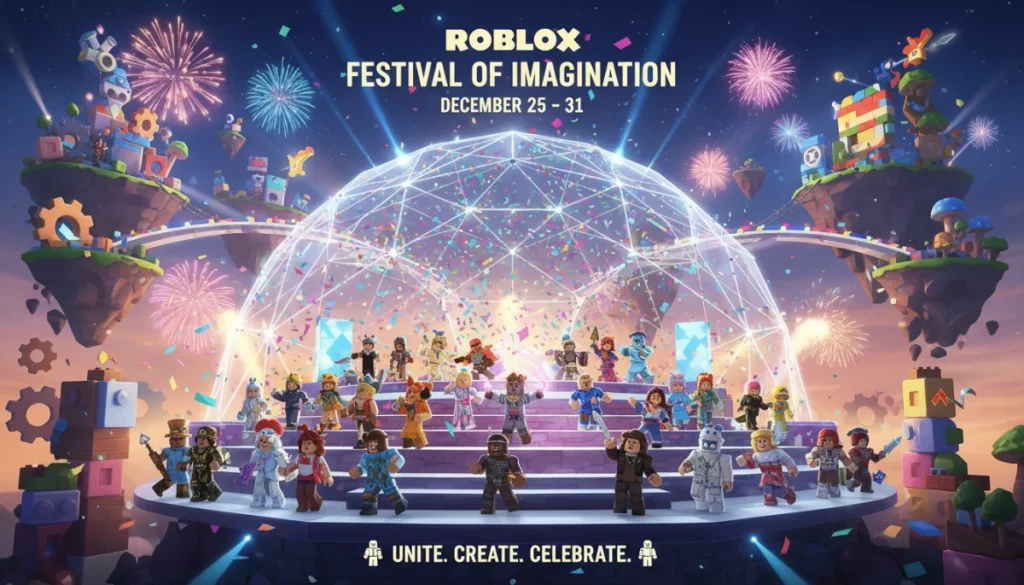
Roblox event mechanics involve intricate planning and execution to create engaging experiences for players, encompassing design, promotion, and post-event analysis to ensure successful major happenings within the platform.
Are you looking to elevate your Roblox experience or captivate a wider audience with unforgettable in-game celebrations? Understanding Roblox event mechanics: strategies for major happenings is crucial for anyone aiming to host impactful and memorable events within this vast virtual universe. This guide will delve into the essential elements that define a successful Roblox event, from initial concept to post-event analysis.
Understanding the Core of Roblox Event Mechanics
Roblox events are more than just gatherings; they are carefully orchestrated experiences designed to engage players, foster community, and often, drive specific in-game objectives. The core mechanics involve a blend of technical implementation, creative design, and strategic outreach. Successful events resonate with players long after they conclude, leaving a lasting impression and building anticipation for future happenings.
Effective event planning on Roblox requires a deep understanding of the platform’s capabilities and its diverse user base. It’s not just about building a cool game; it’s about crafting an immersive narrative and providing compelling reasons for players to participate. This foundational knowledge is what separates a fleeting moment from a landmark event.
The Blueprint: Conception and Design
Every major Roblox event begins with a robust conceptual framework. This involves defining the event’s purpose, target audience, and desired outcomes. Is it to celebrate a milestone, introduce new content, or simply provide entertainment? Clarity on these points guides every subsequent decision.
- Define Objectives: Clearly state what you aim to achieve with the event (e.g., increased player retention, new user acquisition, community engagement).
- Target Audience: Understand who you are trying to reach. Different age groups and playstyles require tailored content and mechanics.
- Unique Selling Proposition (USP): What makes your event stand out? Identify a unique theme, reward, or interactive element.
The design phase translates these concepts into tangible in-game elements. This includes world-building, character interactions, quest lines, and custom assets. Attention to detail here ensures a cohesive and immersive experience that players will appreciate.
In conclusion, mastering the core of Roblox event mechanics starts with a clear vision and a meticulous design process. By understanding your goals and your audience, you can lay a strong foundation for an event that truly resonates.
Strategic Planning and Pre-Event Preparation
Once the core concept is established, the next critical phase involves strategic planning and thorough pre-event preparation. This stage is where ideas transform into actionable plans, ensuring that every component is ready for launch. Without careful planning, even the most innovative event concepts can falter.
This includes setting timelines, allocating resources, and identifying potential challenges. A well-structured plan acts as a roadmap, guiding the development team through the complexities of event creation and deployment. Proactive problem-solving during this phase can save significant time and effort later on.
Resource Allocation and Team Coordination
Major happenings on Roblox often require a dedicated team with diverse skills. This includes developers for scripting, builders for environment design, artists for visual assets, and community managers for player interaction. Efficient resource allocation ensures that each team member contributes effectively to the overall goal.
- Development Team: Responsible for scripting event logic, mechanics, and backend infrastructure.
- Design Team: Focuses on creating immersive environments, custom assets, and user interface elements.
- Marketing & Community Team: Manages promotion, player communication, and community engagement before and during the event.
Coordination among these teams is paramount. Regular meetings, clear communication channels, and shared documentation help keep everyone aligned and informed. Any miscommunication can lead to delays or inconsistencies that impact the player experience.
Pre-event testing is another crucial aspect. Running internal tests and even closed beta tests with a small group of players can help identify bugs, balance issues, and areas for improvement before the event goes live to a larger audience. This iterative process of testing and refining is indispensable for a smooth launch.
Ultimately, strategic planning and meticulous preparation are the backbone of any successful Roblox event. By carefully managing resources, coordinating teams, and conducting thorough testing, creators can ensure a polished and engaging experience for all participants.
Implementing Engaging Event Mechanics and Features
The success of any major Roblox happening hinges on the implementation of truly engaging event mechanics and features. These are the interactive elements that keep players invested, challenged, and entertained throughout the event’s duration. Generic mechanics often lead to player disinterest; innovation is key.
This section explores various types of mechanics that can be integrated, from unique quests and challenges to exclusive rewards and social interactions. The goal is to create a dynamic and rewarding experience that encourages continuous participation and replayability.
Innovative Quest Systems and Challenges
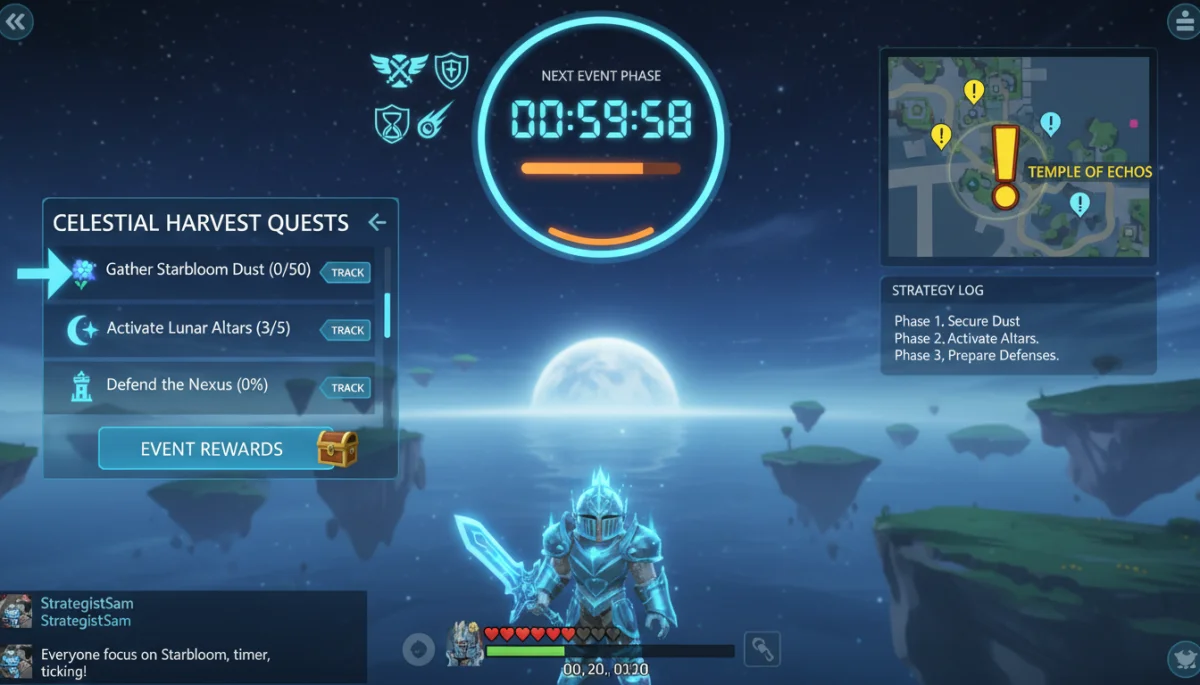
Moving beyond simple fetch quests, sophisticated event mechanics can incorporate multi-stage quests, puzzles, and skill-based challenges. These not only provide depth but also cater to different player preferences and skill levels. For instance, a major event might feature a collaborative puzzle that requires multiple players to work together.
- Progressive Quests: Quests that unlock in stages, revealing more of the event’s narrative or new areas.
- Time-Limited Challenges: Introduce urgency and excitement with challenges that must be completed within a specific timeframe.
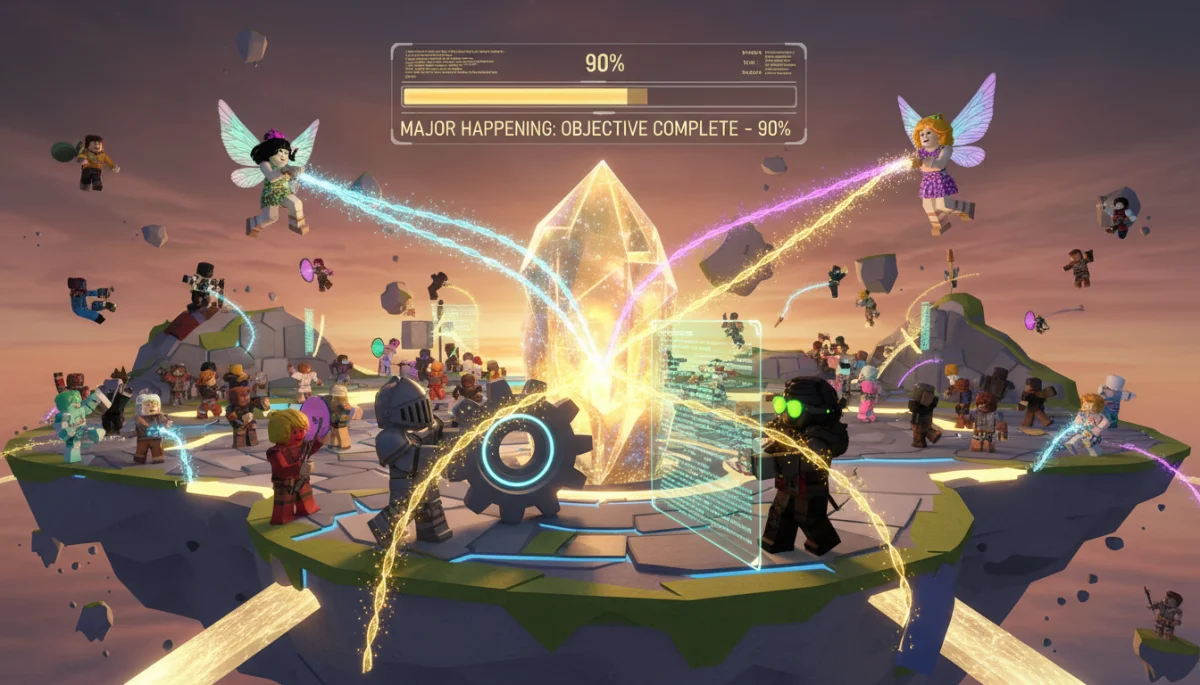
- Community Goals: Encourage collective effort towards a shared objective, rewarding all participants upon completion.
Integrating leaderboards and competitive elements can also significantly boost engagement. Players are often motivated by the desire to see their names at the top or to earn bragging rights within the community. However, it’s important to balance competition with inclusivity, ensuring that casual players also feel a sense of accomplishment.
Exclusive in-game items, badges, and virtual currency serve as powerful incentives. These rewards should be unique to the event, making participation feel truly special and worthwhile. The rarity and utility of these rewards directly influence player motivation.
In essence, well-crafted event mechanics are the heart of a major Roblox happening. By offering innovative quests, meaningful challenges, and desirable rewards, creators can ensure a high level of player engagement and satisfaction.
Promotion, Marketing, and Community Engagement
Even the most brilliantly designed Roblox event will fall short without effective promotion and robust community engagement. Marketing is not merely about announcing the event; it’s about building hype, communicating value, and fostering a sense of anticipation among the player base. This strategic outreach ensures maximum visibility and participation.
Successful promotion leverages multiple channels, both within and outside the Roblox platform. The aim is to reach as many potential players as possible, converting interest into active participation. This requires a clear message and a consistent brand identity for the event.
Leveraging Roblox and External Platforms
Roblox itself offers several tools for event promotion, such as in-game announcements, portal placements, and featured game spots. Utilizing these internal features is essential for reaching an existing audience. However, expanding promotional efforts to external platforms can significantly broaden your reach.
- Social Media Campaigns: Use platforms like Twitter, YouTube, and Discord to share teasers, trailers, and countdowns.
- Collaborations: Partner with popular Roblox influencers or other developers to cross-promote the event.
- Website/Blog Announcements: Create dedicated landing pages or blog posts detailing event mechanics, rewards, and schedules.
Community engagement extends beyond mere announcements. Active participation in discussions, responding to player questions, and running contests or giveaways prior to the event can build significant momentum. Creating a dialogue with your community makes them feel valued and invested in the event’s success.
During the event, continued engagement through live streams, social media updates, and in-game moderator presence helps maintain excitement and address any issues promptly. Post-event, sharing highlights and thanking participants reinforces positive sentiment and encourages future involvement.
In conclusion, a robust promotion and marketing strategy, coupled with continuous community engagement, is vital for the widespread success of any major Roblox event. By reaching players where they are and fostering a strong community connection, creators can ensure high turnout and lasting impact.
Live Event Management and Troubleshooting
The day of a major Roblox event is when all the planning and preparation come to fruition. Live event management is a dynamic and often challenging phase, requiring constant vigilance and quick problem-solving. A smooth execution is paramount to maintaining player satisfaction and the event’s integrity.
This phase involves monitoring server performance, addressing player feedback in real-time, and having contingency plans for unexpected issues. Effective live management ensures that players have an uninterrupted and enjoyable experience, even when unforeseen complications arise.
Real-time Monitoring and Support
During the event, continuous monitoring of server health, player counts, and key performance indicators (KPIs) is essential. Tools and dashboards should be in place to provide real-time data, allowing the development team to identify and respond to potential bottlenecks or crashes immediately.
- Server Performance: Monitor lag, server stability, and player capacity to prevent crashes.
- Bug Reports: Set up channels for players to report bugs and have a rapid response team to address critical issues.
- Player Sentiment: Keep an eye on social media and community forums for player feedback and sentiment.
Having a dedicated support team or community moderators present in-game can significantly enhance the player experience. They can assist players with quests, answer questions, and resolve minor disputes, acting as a crucial link between the event organizers and the participants.
Contingency planning is another critical aspect. What happens if a major bug is discovered? What if server capacity is unexpectedly exceeded? Having predefined protocols for various scenarios, such as temporary shutdowns, hotfixes, or alternative content, can mitigate the impact of unforeseen problems.
Post-event, a thorough review of the live management process helps identify areas for improvement. Documenting challenges faced and solutions implemented provides valuable insights for future events, contributing to continuous operational excellence.
Ultimately, vigilant live event management and proactive troubleshooting are crucial for delivering a seamless and enjoyable experience during major Roblox happenings. By being prepared and responsive, creators can navigate the complexities of live events successfully.
Post-Event Analysis and Future Iterations
The conclusion of a major Roblox event is not the end of the process; it marks the beginning of a crucial phase: post-event analysis. This involves gathering data, evaluating performance against initial objectives, and collecting player feedback to inform future iterations. This reflective process is vital for continuous improvement and sustained success.
Analyzing what worked and what didn’t provides invaluable lessons for subsequent events. It allows creators to refine their approach, enhance mechanics, and better understand their audience’s preferences. Without this analysis, events risk repeating the same mistakes.
Data-Driven Insights and Player Feedback
Collecting and analyzing data is at the heart of post-event evaluation. This includes metrics such as unique player participation, average playtime, completion rates for quests, and retention rates post-event. These quantitative insights provide a clear picture of the event’s reach and impact.
- Participation Metrics: Track total participants, peak concurrent users, and geographic distribution.
- Engagement Metrics: Analyze quest completion rates, time spent in event areas, and interaction with specific features.
- Retention Data: Observe how many new players returned after the event and how existing players’ engagement changed.
Qualitative feedback, gathered through surveys, social media comments, and community forums, offers deeper insights into player sentiment and specific areas for improvement. Understanding the ‘why’ behind the numbers is just as important as the numbers themselves. Direct player comments can highlight unexpected successes or overlooked issues.
Based on this comprehensive analysis, a detailed report should be compiled, outlining key findings, successes, challenges, and actionable recommendations for future events. This report serves as a valuable resource for the entire development and marketing team.
The insights gained from post-event analysis directly feed into the planning for future iterations. This iterative approach ensures that each subsequent event builds upon the successes and addresses the shortcomings of its predecessors, leading to increasingly impactful and engaging experiences for the Roblox community.
In conclusion, robust post-event analysis and the thoughtful integration of player feedback are indispensable for continuous improvement in Roblox event mechanics. This commitment to learning and adaptation ensures that every major happening is better than the last, fostering long-term player loyalty and engagement.
| Key Aspect | Brief Description |
|---|---|
| Conceptualization | Define event purpose, target audience, and unique selling proposition for a strong foundation. |
| Strategic Planning | Allocate resources, set timelines, and conduct thorough testing to ensure smooth execution. |
| Player Engagement | Implement innovative quests, challenges, and exclusive rewards to keep players invested. |
| Post-Event Analysis | Gather data and feedback to evaluate performance and inform future event iterations. |
Frequently Asked Questions about Roblox Event Mechanics
A successful Roblox event typically includes a clear objective, engaging mechanics like unique quests, exclusive rewards, effective promotion across platforms, and robust live management. Post-event analysis is also crucial for continuous improvement and future success.
Effective promotion involves leveraging both in-platform features (like featured spots) and external channels. Utilize social media campaigns, collaborate with influencers, and create dedicated announcements on websites or blogs to build hype and reach a wider audience.
Community engagement is vital for building anticipation and maintaining excitement. Active interaction through forums, social media, and live streams, along with responding to player feedback, makes players feel valued and more invested in the event’s success and longevity.
Post-event analysis is critical for understanding what worked and what didn’t. It involves collecting data on participation and engagement, along with player feedback, to gain insights. This informs future event strategies, leading to continuous improvement and more impactful experiences.
Ensuring player retention involves offering compelling reasons for players to return, such as ongoing content updates, new challenges, or community initiatives. Meaningful rewards during the event and sustained engagement post-event also encourage long-term loyalty and continued play.
Conclusion
Mastering Roblox event mechanics: strategies for major happenings is an intricate yet rewarding endeavor. From the initial spark of an idea to the detailed post-event analysis, each phase demands careful attention and strategic execution. By prioritizing clear objectives, innovative design, robust promotion, vigilant live management, and insightful evaluation, creators can consistently deliver events that not only captivate but also foster a thriving and engaged community within the Roblox metaverse. The continuous cycle of learning and adaptation ensures that every major happening contributes to a richer, more dynamic player experience, setting the stage for even greater successes in the future.
