Roblox Games: Analyzing Gameplay & Community Feedback
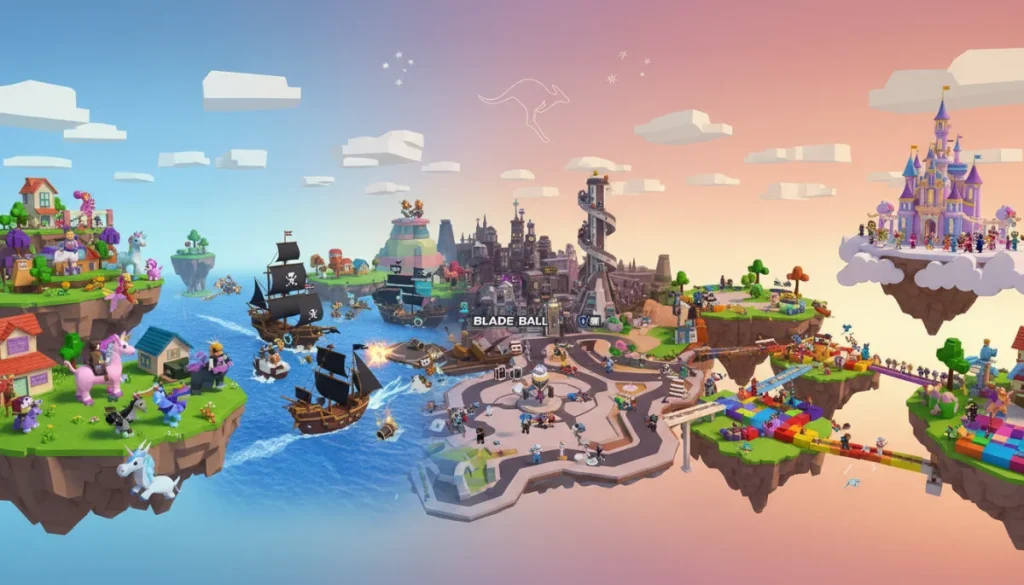
Roblox games are dynamic virtual experiences where analyzing gameplay mechanics and integrating community feedback are crucial for developers to foster engaging environments and sustain player interest across diverse Australian audiences.
Exploring the vast universe of Roblox offers an unparalleled glimpse into player-driven innovation and community engagement. This article delves deep into Roblox Games: Analysing Gameplay & Community Feedback, examining how these two elements are intrinsically linked to the platform’s enduring success and constant evolution, especially within the vibrant Australian gaming scene.
Understanding Roblox Gameplay Mechanics
Roblox isn’t just a platform; it’s a universe of user-generated content, each game a unique creation with its own set of rules, objectives, and interactions. Understanding the core gameplay mechanics across this diverse ecosystem is fundamental to appreciating the platform’s appeal and identifying what makes certain experiences resonate more deeply with players, including those down under in Australia.
At its heart, Roblox gameplay often revolves around creative expression, social interaction, and problem-solving. Developers leverage a robust set of tools to craft experiences ranging from intricate role-playing games to competitive obstacle courses. The mechanics are as varied as the games themselves, but common threads include avatar customization, resource management, quest systems, and player-versus-player combat.
The diversity of game genres
The sheer breadth of genres available on Roblox is staggering, catering to virtually every taste. From high-stakes adventure games to relaxing simulation experiences, the platform constantly expands its offerings. This diversity ensures that players rarely run out of new content to explore, fostering a dynamic and continuously evolving gaming landscape.
- Role-Playing Games (RPGs): Players immerse themselves in fictional worlds, often taking on specific roles and engaging in narrative-driven quests.
- Simulation Games: Focus on managing resources, building structures, and optimizing systems, such as theme parks or cities.
- Obby (Obstacle Course) Games: Test players’ agility and precision through challenging jumps and puzzles.
- Tycoon Games: Involve building and managing businesses to generate virtual currency and expand operations.
The success of these mechanics lies in their ability to be both intuitive for new players and deep enough to retain seasoned veterans. A well-designed game on Roblox strikes a balance, offering immediate gratification while also providing long-term goals and progression systems that keep players coming back for more.
Ultimately, analyzing Roblox gameplay mechanics means looking beyond the surface-level interactions to understand the underlying systems that drive player engagement and satisfaction. This deep dive reveals the ingenuity of developers and the limitless potential of the platform.
The Significance of Community Feedback
In the world of user-generated content, community feedback is not merely a suggestion box; it’s the lifeblood of game development and evolution. For Roblox developers, listening to their player base, particularly in regions like Australia where gaming communities are highly engaged, is paramount to creating successful and sustainable experiences. This feedback loop ensures games remain relevant, enjoyable, and free from critical issues.
Players often provide invaluable insights into gameplay balance, bug detection, desired features, and overall user experience. This direct communication channel allows developers to iterate rapidly, addressing concerns and implementing improvements that directly reflect player desires. Without this input, even the most innovative game can falter.
Channels for player input
Roblox offers various avenues for players to voice their opinions and share their experiences. These channels are crucial for gathering diverse perspectives and identifying trends within the community.
- Game pages and comments: Direct feedback can be left on a game’s dedicated page, often read by developers.
- Social media platforms: Twitter, Discord, and Reddit are popular hubs where players discuss games and interact with creators.
- Developer forums: Dedicated forums allow for more structured discussions and bug reporting.
- In-game surveys and polls: Some developers integrate direct feedback mechanisms within their games.
The challenge for developers lies in sifting through the volume of feedback to identify actionable insights. Not all feedback is equally valuable, and discerning constructive criticism from simple complaints requires expertise. However, a developer who masters this art gains a significant advantage, fostering a loyal community and continuously refining their creation.
Ultimately, community feedback transforms a game from a developer’s vision into a shared experience, shaped by the collective input of its players. This collaborative spirit is a cornerstone of the Roblox platform and a key driver of its ongoing success.
Analyzing Player Engagement and Retention
Understanding what makes players return to a Roblox game, day after day, week after week, is critical for any developer aiming for long-term success. Player engagement and retention are not just buzzwords; they are measurable metrics that reflect the health and appeal of a game. For Australian players, like any other demographic, factors influencing these metrics are diverse, ranging from compelling gameplay to a strong sense of community.
Deep analysis often reveals that a combination of novelty, social interaction, and progression systems keeps players hooked. Games that offer fresh content updates, foster a friendly community, and provide clear paths for advancement typically see higher retention rates. This ongoing evolution is what truly sets successful Roblox experiences apart.
Key factors influencing engagement
Several elements consistently emerge as crucial for maintaining high levels of player engagement. Developers who master these aspects often create games with enduring appeal.
- Regular content updates: New maps, items, characters, or game modes keep the experience fresh and exciting.
- Social features: Opportunities to play with friends, join guilds, or participate in community events enhance social bonds.
- Progression systems: Clear goals, unlockables, and ranking systems provide a sense of achievement and purpose.
- Fair monetization: Ethical in-game purchases that enhance, rather not hinder, the core gameplay experience.
Moreover, developers must constantly monitor player behavior through analytics. This includes tracking playtime, session length, completion rates of various activities, and points where players tend to drop off. Such data provides objective insights into what’s working and what isn’t, guiding future development decisions.
The goal is to create a virtuous cycle where engaging gameplay leads to positive community feedback, which in turn informs improvements that further boost engagement. This iterative process is fundamental to thriving in the dynamic Roblox ecosystem.
Impact of Player Reviews and Ratings
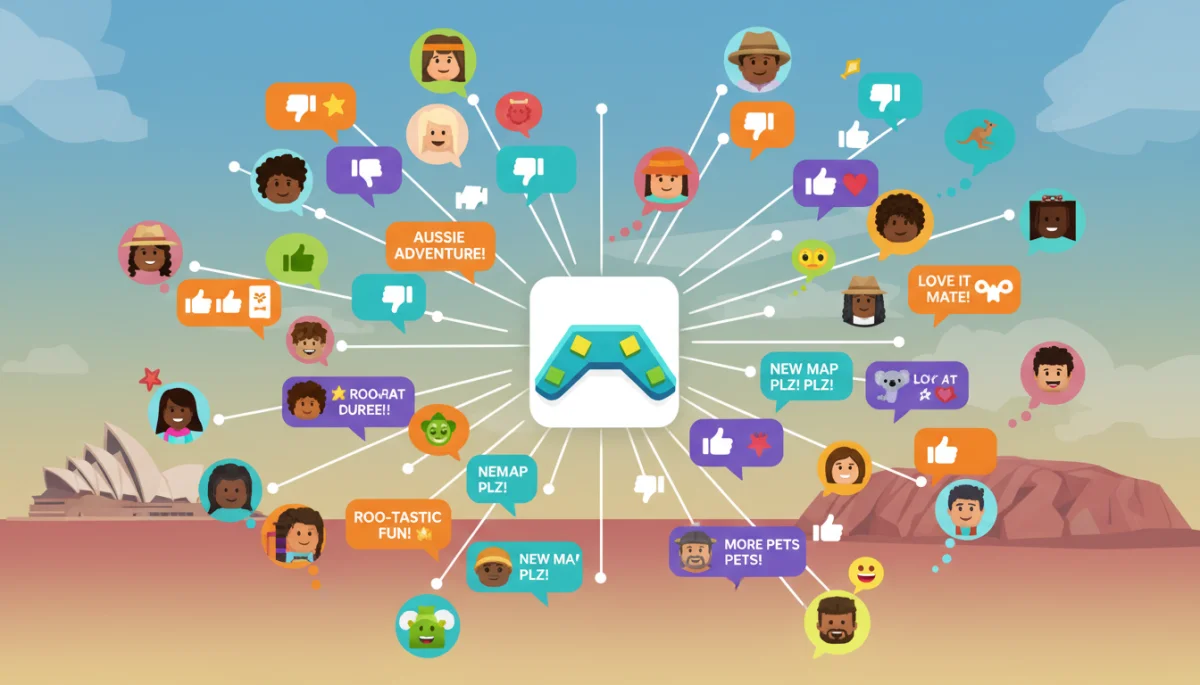
Player reviews and ratings on Roblox serve as a powerful barometer of a game’s quality and appeal. These public assessments significantly influence whether new players decide to try a game, acting as a form of social proof. For developers, understanding the nuances of these reviews and leveraging them effectively is crucial for growth and reputation, especially in a discerning market like Australia.
A high rating and positive reviews can propel a game to greater visibility, attracting more players and fostering a larger community. Conversely, negative feedback, if unaddressed, can deter potential players and even lead to a decline in player count. This makes managing and responding to reviews an integral part of game development.
Leveraging constructive criticism
While negative reviews can be disheartening, they often contain valuable constructive criticism that, when acted upon, can lead to significant improvements. Developers should view these as opportunities for growth rather than mere complaints.
- Identify recurring themes: Look for common issues or suggestions across multiple reviews.
- Prioritize critical bugs: Address game-breaking bugs or exploits mentioned by players immediately.
- Communicate with players: Respond to reviews, showing that feedback is heard and appreciated.
- Implement suggested features: Consider integrating popular player suggestions where feasible.
The cumulative effect of player reviews shapes a game’s public perception. A developer who actively engages with their community, addresses concerns, and consistently updates their game based on feedback will likely see their ratings improve over time. This proactive approach builds trust and loyalty among players, creating a positive feedback loop that benefits both the game and its creators.
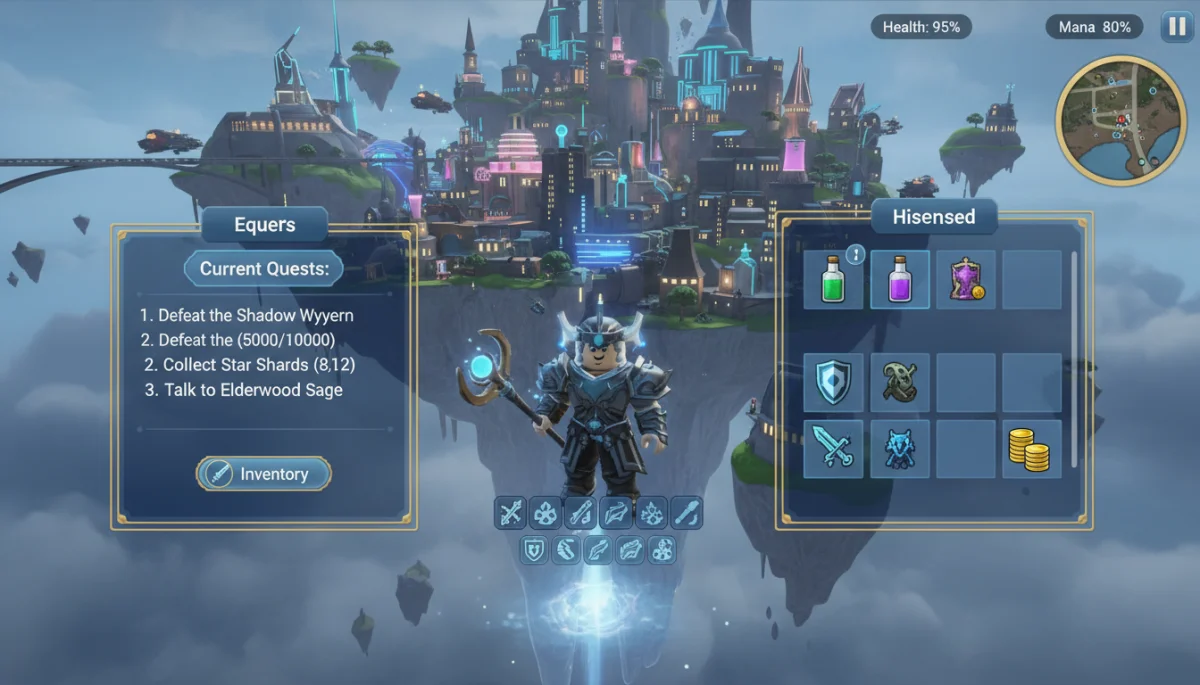
Ultimately, player reviews are more than just numbers; they are a direct reflection of the player experience and a powerful tool for guiding a game’s evolution.
The Role of Developers in Responding to Feedback
The success of any Roblox game hinges significantly on the developer’s ability to not only receive but also effectively respond to community feedback. This isn’t a passive process; it requires active engagement, strategic decision-making, and often, a delicate balance between player desires and the developer’s original vision. For developers targeting the Australian market, understanding cultural nuances in feedback can also be beneficial.
A responsive developer builds trust and fosters a loyal player base. When players see their suggestions implemented or their concerns addressed, they feel valued and become more invested in the game’s success. This positive reinforcement encourages further feedback, creating a healthy, iterative development cycle.
Strategies for effective feedback integration
Integrating feedback effectively requires a structured approach. Simply acknowledging feedback isn’t enough; developers need to have a clear process for evaluating, prioritizing, and acting on player input.
- Regular communication: Keep players informed about ongoing development and how their feedback is being considered.
- Prioritization matrix: Categorize feedback by severity, impact, and feasibility of implementation.
- Beta testing and public tests: Involve the community in testing new features or changes before full release.
- Transparency: Be honest about what can and cannot be implemented, and explain why.
Developers must also be careful not to implement every single suggestion, as this can lead to feature creep or deviate too far from the game’s core identity. A skilled developer can discern which feedback aligns with their game’s vision and which might lead it astray. This requires a strong understanding of their game’s unique selling points and target audience.
Ultimately, a developer’s responsiveness to feedback is a testament to their commitment to their game and its community. It transforms a game from a static product into a living, evolving experience that continuously adapts to its players’ needs and desires.
Case Studies: Successful Roblox Games and Feedback
Examining successful Roblox games offers invaluable insights into the practical application of gameplay analysis and community feedback. These case studies highlight how developers have leveraged player input to refine their creations, leading to massive popularity and sustained engagement. From Adopt Me! to Tower of Hell, the stories often underscore a common thread: an unwavering commitment to listening to the player base, including the significant Australian player contingent.
These games didn’t achieve success overnight; they evolved through continuous iteration, often driven directly by community suggestions and bug reports. Their developers understood that a game is never truly finished and that player satisfaction is an ongoing pursuit. This iterative process is what sets the most popular Roblox experiences apart.
Lessons from top Roblox titles
Several iconic Roblox games stand out as prime examples of effective feedback integration and gameplay evolution.
Adopt Me!: This hugely popular role-playing game focuses on pet collecting and social interaction. Its developers are renowned for frequent updates, often adding new pets, areas, and events based directly on community polls and suggestions. This constant stream of fresh content, combined with a strong social element, keeps its millions of players engaged.
Jailbreak: A classic cops-and-robbers game, Jailbreak’s success comes from its balanced gameplay and consistent updates. The developers actively engage with their community on platforms like Twitter and Discord, addressing bugs, introducing new vehicles and heists, and even revamping entire map sections based on player feedback regarding balance and exploration.
Tower of Hell: This challenging obby game thrives on its simplicity and replayability. While less about narrative, its developers frequently fine-tune difficulty, add new tower sections, and introduce cosmetic items, all while monitoring player completion rates and feedback on specific obstacles to ensure a fair yet challenging experience.
These examples demonstrate that while the core gameplay provides the foundation, it’s the continuous analysis and integration of community feedback that truly allows a Roblox game to flourish and maintain its relevance over time. They serve as blueprints for aspiring developers on the platform.
Future Trends in Roblox Development and Community
The landscape of Roblox is constantly shifting, driven by technological advancements, evolving player expectations, and innovative developer approaches. Looking ahead, several key trends are poised to shape the future of Roblox development and how communities interact with their favorite games, particularly for the discerning Australian player base. These trends point towards even more immersive, interactive, and player-centric experiences.
One major area of focus is the continued enhancement of visual fidelity and engine capabilities. As Roblox Studio becomes more powerful, developers will be able to create even more stunning and complex worlds, blurring the lines between user-generated content and traditional game development. This push for realism and advanced graphics will undoubtedly elevate the overall player experience.
Emerging technologies and player interaction
Beyond graphics, several other trends are set to redefine how players interact with Roblox games and each other.
- AI integration: Expect more sophisticated AI characters and dynamic environments that adapt to player actions, offering more personalized experiences.
- Cross-platform play enhancements: Further seamless integration across devices, making it even easier for Australian players to jump into games from any platform.
- User-generated content tools: Empowering players with more intuitive tools to create their own content within games, fostering deeper engagement and creativity.
- Metaverse expansion: Greater emphasis on interconnected experiences and persistent virtual identities across different games and social hubs.
The role of community feedback will also intensify. As games become more complex and dynamic, direct player input will be even more crucial for debugging, balancing, and guiding content updates. Developers who master rapid iteration based on community insights will be at the forefront of this evolution.
Ultimately, the future of Roblox is one of continuous innovation, where the lines between creator and player become increasingly blurred, and the community plays an ever-more integral role in shaping the virtual worlds they inhabit. This dynamic ecosystem promises exciting developments for years to come.
| Key Point | Brief Description |
|---|---|
| Gameplay Diversity | Roblox offers a vast array of genres, from RPGs to simulations, catering to diverse player preferences. |
| Community Feedback | Player input is vital for game evolution, bug fixing, and feature implementation, driving engagement. |
| Player Engagement | Regular updates, social features, and progression systems are key to retaining players. |
| Developer Responsiveness | Active integration of feedback builds trust and ensures games remain relevant and enjoyable. |
Frequently Asked Questions about Roblox Gameplay and Community
Developers actively monitor forums, social media, and in-game comments to gather player suggestions and bug reports. They then prioritize this feedback to implement updates, balance gameplay, and introduce new features that enhance the overall player experience, ensuring the game stays fresh and engaging.
Engaging gameplay for Australian players often involves a mix of unique mechanics, opportunities for social interaction, and consistent content updates. Games that offer depth, replayability, and a responsive development team tend to resonate well, fostering a sense of community and continuous discovery.
Player reviews are critically important as they serve as social proof, influencing new players’ decisions and a game’s visibility. Positive reviews attract more users, while constructive criticism offers developers invaluable insights for improvement, directly impacting a game’s growth and reputation on the platform.
Challenges include sifting through vast amounts of feedback, distinguishing constructive criticism from superficial complaints, and prioritizing actionable insights. Developers must also balance player desires with their game’s core vision and technical limitations, requiring careful judgment and strategic planning.
Future trends include enhanced visual fidelity, more sophisticated AI integration, and improved cross-platform play. Greater emphasis on user-generated content tools and metaverse expansion will also deepen player immersion and interaction, making community feedback even more central to game evolution.
Conclusion
The journey through Roblox Games: Analysing Gameplay & Community Feedback reveals a dynamic ecosystem where player input is not just valued but is fundamental to the platform’s continuous innovation and success. From the intricate mechanics that define each game to the vibrant communities that shape their evolution, the interplay between development and player engagement is a powerful force. For Australian players and developers alike, understanding and harnessing this symbiotic relationship is key to creating and experiencing truly memorable virtual worlds. As Roblox continues to grow and evolve, the commitment to listening, adapting, and innovating based on community insights will remain its most enduring strength, driving the next generation of immersive digital experiences.
