Natural Disaster Survival: UK Strategies & Updated Disasters

Updated natural disaster survival strategies for the UK are essential to mitigate the increasing risks posed by climate change, encompassing effective preparedness, community resilience, and timely governmental responses to protect lives and infrastructure.
Are you truly prepared for the unexpected? In an era where climate change amplifies environmental risks, understanding UK Disaster Survival strategies has never been more critical. This guide cuts through the noise, offering actionable insights for navigating the evolving landscape of natural disasters in the United Kingdom.
Understanding the evolving natural disaster landscape in the UK
The United Kingdom, while often perceived as relatively safe from extreme natural phenomena compared to other regions, is increasingly experiencing the impacts of a changing climate. Flooding, severe storms, and heatwaves are becoming more frequent and intense, demanding a proactive approach to natural disaster survival. This section delves into the specific threats the UK faces and how these have evolved over recent years.
Historically, the UK’s natural disaster profile was dominated by localized flooding and occasional strong winds. However, climate models and recent events paint a different picture, indicating a shift towards more widespread and severe occurrences. This evolution necessitates a re-evaluation of traditional preparedness measures and a focus on resilience.
Increased frequency of extreme weather events
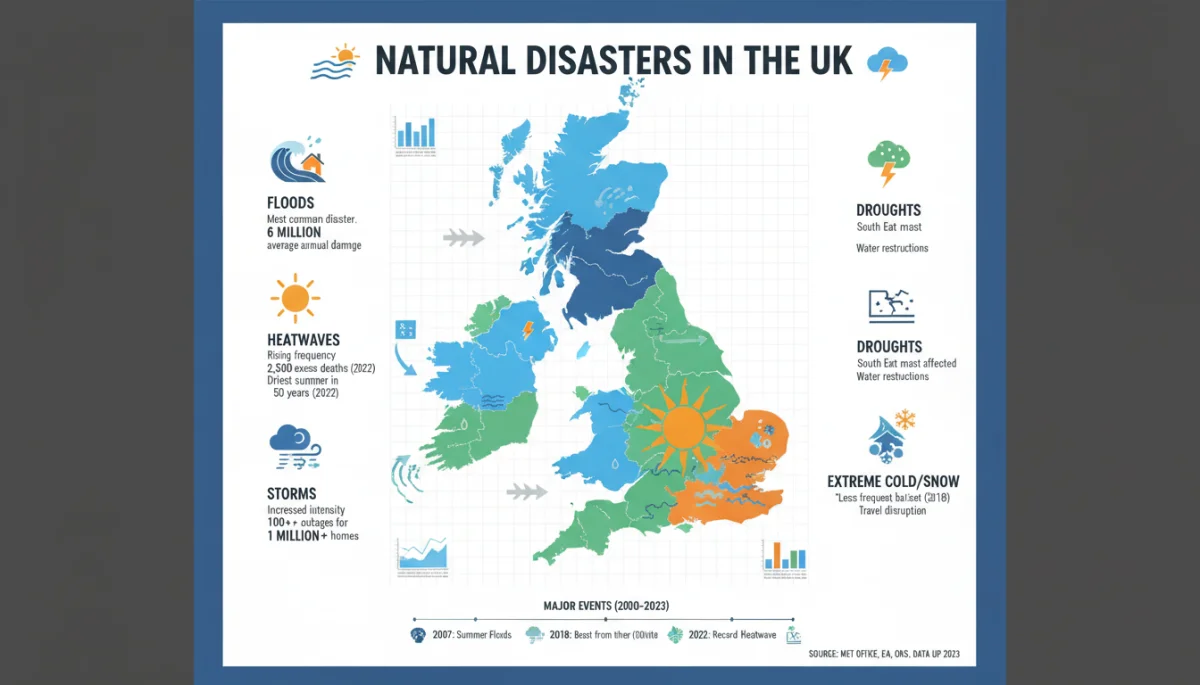
The Met Office reports a clear trend towards warmer, wetter winters and hotter, drier summers, which directly influences the types and severity of natural disasters. This has led to an uptick in certain events.
- Flooding: Both riverine and surface water flooding have become more common, affecting urban and rural areas alike, often overwhelming existing drainage infrastructure.
- Heatwaves: Record-breaking temperatures are no longer anomalies, posing significant health risks, particularly for vulnerable populations, and straining public services.
- Storms: While not entirely new, storms are now often accompanied by stronger winds and heavier rainfall, leading to widespread disruption and damage.
Understanding these shifts is the first step in effective preparation. It’s not just about reacting to a disaster but anticipating potential threats based on updated meteorological data and climate projections. The government and local authorities are continually refining their risk assessments to reflect these changes, but individual preparedness remains paramount.
In conclusion, the UK’s natural disaster landscape is dynamic and requires continuous adaptation. Recognizing the increased frequency and intensity of events like flooding, heatwaves, and storms is crucial for developing robust survival strategies. This evolving threat demands both governmental action and individual responsibility in preparing for future challenges.
Developing a comprehensive household emergency plan
A household emergency plan is the cornerstone of effective natural disaster survival. It transforms abstract worries into concrete actions, ensuring that every member of your household knows what to do before, during, and after an emergency. This section guides you through the essential steps of creating a robust and personalized plan for your UK home.
Many people underestimate the importance of a detailed plan until they are in the midst of a crisis. However, a well-thought-out strategy can significantly reduce panic, minimize damage, and even save lives. It’s not just about having supplies; it’s about having a clear, rehearsed course of action.
Key components of your emergency kit
Your emergency kit should be readily accessible and contain enough supplies to sustain your household for at least 72 hours. This is a critical element of any UK Disaster Survival strategy.
- Water: One gallon per person per day for drinking and sanitation.
- Food: Non-perishable items, a manual can opener, and any specific dietary needs.
- First Aid: A comprehensive kit including bandages, antiseptics, pain relievers, and any prescription medications.
- Lighting & Communication: A battery-powered or hand-crank radio, flashlight, extra batteries, and fully charged power banks for mobile phones.
- Important Documents: Copies of identification, insurance policies, and other vital papers in a waterproof container.
Beyond the physical kit, your plan should include designated meeting points both inside and outside your home, as well as an out-of-area contact person. This ensures that if local communication networks are down, your family can still connect and account for everyone’s safety. Regularly review and update your plan, especially as family circumstances change or children grow older.
In summary, a comprehensive household emergency plan is indispensable for natural disaster survival. By assembling an emergency kit, establishing communication protocols, and practicing your plan, you significantly enhance your family’s safety and resilience when faced with unforeseen events.
Community resilience and local support networks
Individual preparedness is vital, but true resilience against natural disasters is often forged at the community level. In the UK, fostering strong local support networks can dramatically improve response times, resource distribution, and overall recovery efforts. This section explores how communities can collaborate to enhance their collective ability to cope with emergencies.
When a large-scale disaster strikes, emergency services can quickly become overwhelmed. This is where community resilience steps in, empowering neighbors to assist each other and fill critical gaps until professional help arrives. Building these networks before a crisis is paramount.
Participating in local emergency groups
Many towns and villages across the UK have established volunteer groups dedicated to emergency preparedness and response. These groups often work in conjunction with local councils and emergency services.
- Flood Wardens: In flood-prone areas, wardens monitor water levels, disseminate warnings, and assist with evacuation.
- Community Emergency Response Teams (CERTs): These teams receive training in basic first aid, search and rescue, and disaster psychology to support their communities.
- Neighborhood Watch Schemes: While primarily focused on crime prevention, these networks can be adapted to share information and coordinate assistance during natural disasters.
Beyond formal groups, simply getting to know your neighbors and understanding their needs and capabilities can make a significant difference. Identifying vulnerable individuals who might require extra assistance, such as the elderly or those with mobility issues, allows for targeted support during an emergency. Sharing skills, whether it’s first aid knowledge or practical DIY abilities, strengthens the community’s collective capacity.
Ultimately, community resilience is about mutual support and shared responsibility. By actively engaging with local initiatives and building strong neighborly ties, UK residents can create more robust and responsive networks, significantly bolstering their collective UK Disaster Survival capabilities. This collaborative approach ensures that when disaster strikes, no one is left behind.
Specific UK disaster scenarios and response tactics
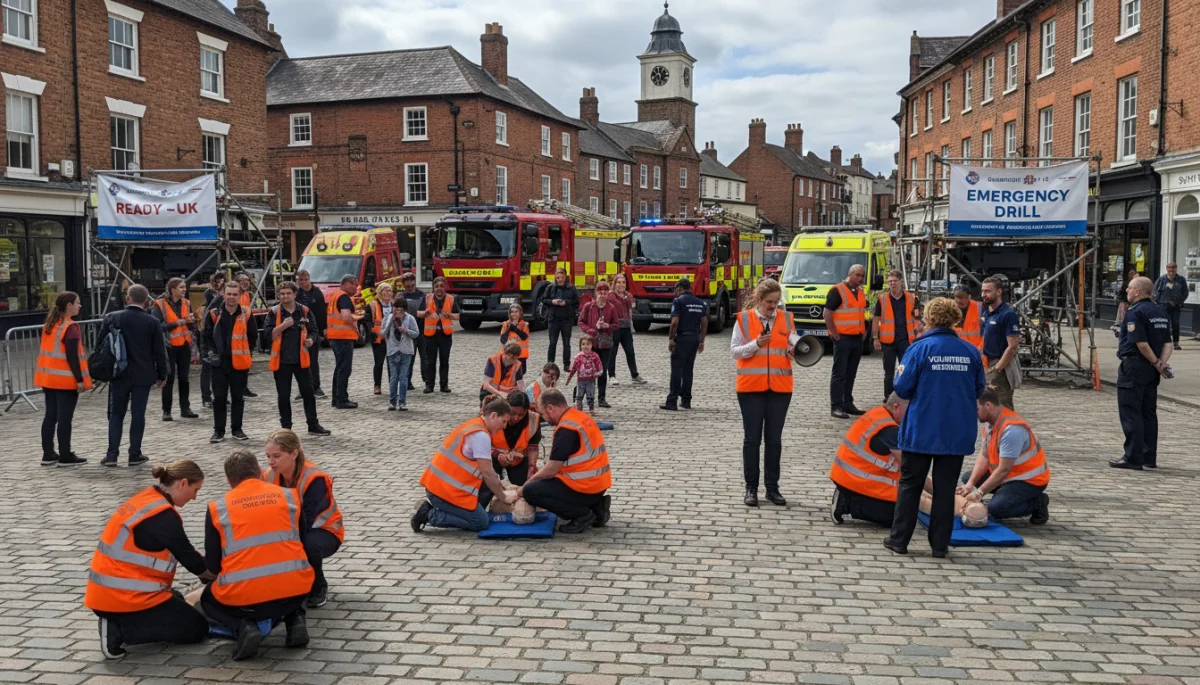
While a general emergency plan is crucial, understanding specific UK disaster scenarios and tailoring your response tactics accordingly can make a substantial difference. The UK faces unique challenges, and a ‘one-size-fits-all’ approach may not always be sufficient. This section details common disaster types in the UK and outlines effective, context-specific responses.
Each type of natural disaster presents its own set of dangers and demands particular actions. For instance, preparing for a flood differs significantly from preparing for a heatwave. Knowing these distinctions is key to a truly effective survival strategy.
Flooding: preparation and evacuation
Flooding is arguably the most prevalent natural disaster in the UK. Preparation involves more than just sandbags.
- Stay Informed: Monitor flood warnings from the Environment Agency or Natural Resources Wales.
- Property Protection: Consider flood barriers, moving valuables upstairs, and turning off electricity and gas if advised.
- Evacuation Route: Know your designated evacuation route and have a grab bag ready with essentials.
For severe heatwaves, the focus shifts to personal well-being. Staying hydrated, avoiding strenuous activity during the hottest parts of the day, and seeking shade are paramount. Checking on vulnerable neighbors is also critical. During strong winds and storms, securing outdoor items, staying indoors, and being aware of potential power outages are essential. Have alternative cooking and heating methods ready if power is lost, and avoid unnecessary travel.
In conclusion, adapting your response tactics to specific UK disaster scenarios is a vital component of natural disaster survival. By understanding the nuances of preparing for floods, heatwaves, and storms, and implementing tailored actions, you enhance your safety and the safety of your community. This proactive, scenario-specific approach strengthens overall resilience.
Leveraging technology for early warning and communication
In the realm of natural disaster survival, technology has become an indispensable tool for early warning, communication, and real-time information dissemination. The UK’s emergency services and meteorological organizations increasingly rely on advanced systems to predict, track, and alert the public to impending threats. This section explores how individuals can effectively leverage these technological advancements as part of their UK Disaster Survival strategy.
The speed at which information can travel today means that early warnings can reach a vast number of people almost instantaneously, providing precious time for preparation or evacuation. Ignoring these resources is akin to disarming yourself in the face of danger.
Essential apps and alert systems
Several digital platforms and services are specifically designed to provide timely and accurate information regarding natural disasters in the UK.
- Met Office App: Provides real-time weather forecasts, severe weather warnings, and climate updates directly to your smartphone.
- Environment Agency Flood Warnings: Sign up for free alerts via phone, email, or text message for specific areas at risk of flooding.
- Local Authority Websites and Social Media: Many local councils use their websites and social media channels (e.g., Twitter, Facebook) to issue localized emergency updates and advice.
Beyond official alerts, investing in a battery-powered or hand-crank radio is a low-tech but highly reliable backup for communication when power outages or mobile network failures occur. These devices can provide crucial updates from local radio stations, ensuring you remain informed even in the absence of digital connectivity. Furthermore, having fully charged power banks for your mobile devices is essential, allowing you to maintain communication for longer periods.
To conclude, technology plays a critical role in modern natural disaster survival. By actively utilizing early warning apps, subscribing to alert services, and ensuring backup communication methods, individuals in the UK can significantly improve their awareness and response capabilities during emergencies. Embracing these tools empowers you to stay informed and make timely decisions.
Post-disaster recovery and rebuilding resilience
Surviving the immediate impact of a natural disaster is only the first step; the subsequent phase of recovery and rebuilding resilience is equally critical. In the UK, this process often involves navigating insurance claims, accessing support services, and emotionally coping with the aftermath. This section provides guidance on what to expect and how to effectively manage the post-disaster period, reinforcing long-term UK Disaster Survival.
The recovery journey can be long and challenging, marked by logistical hurdles and emotional strain. Having a clear understanding of the steps involved can help alleviate some of the stress and facilitate a smoother return to normalcy.
Navigating insurance and financial aid
One of the immediate concerns after a disaster is often the financial impact. Understanding your insurance policies and potential government support is crucial.
- Contact Insurers Promptly: Document all damage with photos and videos before starting any clean-up.
- Understand Your Policy: Be aware of what your home and contents insurance covers, including flood or storm damage clauses.
- Government Support: Research schemes like the Flood Re initiative for flood insurance or emergency grants that may be available for disaster victims.
Beyond financial recovery, emotional and psychological well-being is paramount. Disasters can be traumatic, and it’s normal to experience a range of emotions, from shock and anxiety to grief. Seeking support from mental health professionals, community groups, or even simply talking to friends and family can be incredibly beneficial. Rebuilding resilience also involves learning from the experience, identifying areas for improvement in your preparedness plan, and advocating for stronger community-level protective measures. This continuous cycle of learning and adaptation is key to future readiness.
In conclusion, the post-disaster recovery phase requires a multi-faceted approach, encompassing financial, logistical, and emotional aspects. By proactively managing insurance claims, seeking available aid, and prioritizing mental well-being, individuals and communities in the UK can effectively navigate the aftermath of a disaster and emerge stronger, fostering greater long-term resilience.
| Key Aspect | Brief Description |
|---|---|
| Evolving UK Threats | Increased frequency and intensity of floods, heatwaves, and storms due to climate change. |
| Household Emergency Plan | Essential 72-hour kit, communication strategy, and designated meeting points for families. |
| Community Resilience | Local support networks, volunteer groups, and neighborly assistance for collective response. |
| Technology Use | Leveraging apps, alerts, and communication tools for early warnings and information. |
Frequently asked questions about UK disaster survival
The most common natural disasters in the UK are flooding (both riverine and surface water), severe storms with high winds, and increasingly, heatwaves. While less frequent, coastal erosion and landslides also pose significant localized risks across the country.
An effective emergency kit should include enough water and non-perishable food for 72 hours, a first-aid kit, essential medications, a battery-powered radio, flashlights, extra batteries, and copies of important documents. Keep it accessible and check expiration dates regularly.
Community plays a crucial role by forming local support networks, volunteer groups, and neighborhood watches. These initiatives enhance immediate response, aid vulnerable individuals, and facilitate faster, more organized recovery efforts when professional services are stretched.
Yes, the Met Office app provides weather warnings, and the Environment Agency offers free flood alerts via phone or email. Local councils also use their websites and social media for localized emergency updates, making technology vital for timely information.
Immediately after a disaster, ensure your family’s safety, check for injuries, and listen to official advice. Document any damage for insurance purposes, contact your insurer promptly, and seek emotional support if needed. Prioritize safety before attempting to re-enter damaged areas.
Conclusion
The landscape of natural disasters in the UK is undeniably shifting, demanding a proactive and informed approach to survival. From understanding the evolving threats of increased floods, heatwaves, and storms to meticulously crafting household emergency plans and fostering robust community resilience, every step taken enhances our collective ability to withstand and recover. By leveraging modern technology for early warnings and engaging in thoughtful post-disaster recovery, we can transform vulnerability into strength. The journey towards comprehensive UK Disaster Survival is ongoing, requiring continuous adaptation, education, and collaboration to safeguard lives and livelihoods in an unpredictable world. Being prepared isn’t just a recommendation; it’s an imperative for a resilient future.
