Natural Disaster Survival: Revised Disasters & Strategies
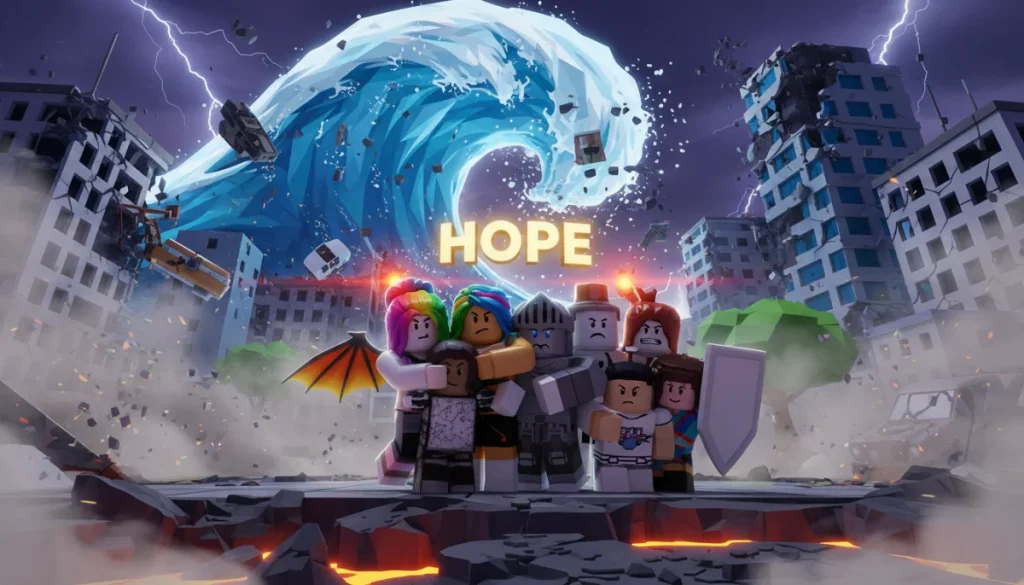
Natural Disaster Survival: Revised Disasters & Strategies in Roblox demands players to adapt quickly to ever-changing environmental threats and master updated gameplay mechanics for optimal survival outcomes.
Welcome, Aussie gamers, to a deep dive into one of Roblox’s enduring classics:
Natural Disaster Survival: Revised Disasters & Strategies. This isn’t just a game; it’s a test of wit, speed, and adaptability against the whims of nature. Whether you’re a seasoned survivor or a newcomer, understanding the subtle shifts in disaster mechanics and refining your approach is crucial for mastering this chaotic, yet endlessly entertaining, experience.
Understanding the Evolving Threat Landscape
The world of Natural Disaster Survival is anything but static. Developers frequently introduce new challenges and tweak existing ones, ensuring that the game remains fresh and unpredictable. For Australian players, who are no strangers to diverse natural phenomena, this dynamic environment resonates deeply, making every round a unique experience.
Initially, the game featured a straightforward set of disasters. However, recent updates have brought about significant revisions, not just in the visual presentation but also in the mechanics of how these disasters unfold and impact the environment. This means that old strategies might not always hold up, requiring a more nuanced understanding of each threat.
New Disaster Mechanics
- Tsunami Wave Dynamics: Tsunami waves now have varied heights and speeds, often featuring secondary, smaller waves that can catch unprepared players off guard. Buildings might offer temporary respite but can be completely submerged if the wave is particularly large.
- Earthquake Intensity: Earthquakes have become more complex, introducing aftershocks and varying levels of structural damage. Some quakes now trigger immediate building collapses, while others cause gradual deterioration, forcing players to make split-second decisions about evacuating or seeking reinforced cover.
- Volcanic Eruption Patterns: Volcanic eruptions now feature more unpredictable lava flows and falling volcanic bombs. Lava spreads faster and can create new barriers, while bombs can destroy cover and create instant hazards.
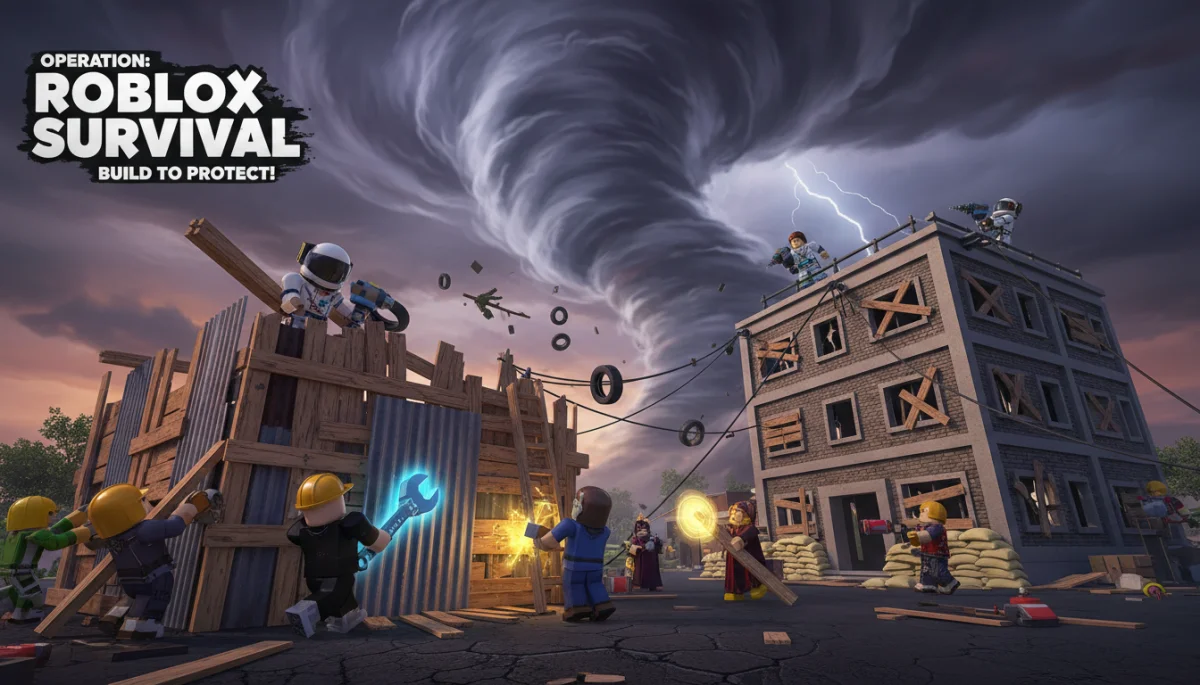
- Tornado Pathing: Tornadoes exhibit more erratic movement, sometimes circling back or changing direction unexpectedly. Their pull force has also been adjusted, making it harder to escape if caught in the outer bands.
These changes highlight the importance of staying informed about patch notes and community discussions. A key aspect of survival now involves anticipating these revised mechanics rather than relying on muscle memory from previous versions of the game. Adapting to these evolving threats is the first step toward becoming a truly proficient survivor. The unpredictability keeps the game engaging, but also demands a higher level of strategic thinking from its players.
Mastering Defensive and Evasive Strategies
Survival in Natural Disaster Survival isn’t just about reacting; it’s about anticipating and executing effective defensive and evasive maneuvers. Each disaster demands a specific set of actions, and a one-size-fits-all approach often leads to swift defeat. Understanding the nuances of movement and positioning is paramount for longevity in a chaotic environment.
Players often underestimate the importance of map awareness and quick decision-making. The few seconds you have at the start of a disaster can be the difference between finding safe haven and being swept away. This section delves into refined strategies for various disaster scenarios, focusing on both individual player actions and collaborative efforts.
Strategic Positioning and Movement
During a flash flood, for instance, seeking high ground immediately is critical. However, simply climbing the tallest structure might not be enough if a tsunami follows. The best strategy involves identifying structures that are both tall and robust, or moving towards the edges of the map where some elevated terrain might provide a safer perch. For earthquakes, open spaces are generally preferred to avoid falling debris, but revised mechanics mean even open ground can sometimes be unstable. Knowing which buildings have reinforced foundations or are less prone to collapse becomes a valuable piece of knowledge.
- High Ground for Water-Based Disasters: Always prioritize the highest available solid ground for floods and tsunamis. Look for structures that appear structurally sound.
- Open Spaces for Earthquakes: Move away from tall buildings and unstable structures during earthquakes. Be mindful of potential ground fissures.
- Reinforced Cover for Tornadoes/Volcanoes: Seek shelter in sturdy, enclosed spaces for tornadoes, or under overhangs for volcanic eruptions to avoid falling debris.
Evasive techniques are equally vital. For tornadoes, running against the spin of the vortex can sometimes help you escape its pull, while for acid rain, finding any form of overhead cover, even a small ledge, can buy precious time. The key is to act decisively and avoid panicking, as indecision is often more dangerous than a poor choice. Constant practice and observation of other successful players can refine these skills.
Leveraging Environmental Features and Structures
The maps in Natural Disaster Survival are designed with various environmental features and structures, each offering potential advantages or disadvantages depending on the disaster. Savvy players learn to interpret these elements quickly, transforming potential traps into survival assets. This involves a keen eye for detail and an understanding of how different materials and designs react to specific threats.
It’s not enough to simply run to the nearest building; one must evaluate its suitability. Is it made of wood, vulnerable to fire, or sturdy concrete, resistant to winds? Does it have multiple exits, or is it a single point of failure? These considerations elevate gameplay from simple reaction to strategic environmental analysis, a skill that significantly boosts survival rates.
Building Resilience and Weaknesses
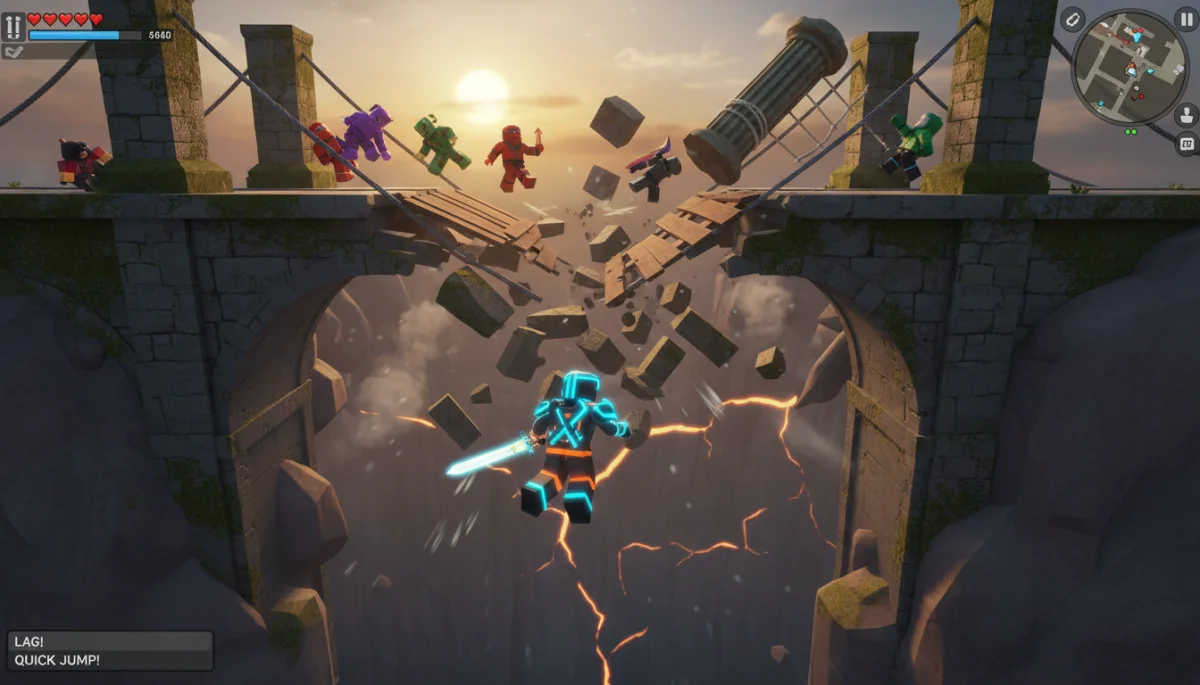
Consider the differences between a multi-story concrete skyscraper and a flimsy wooden shack. During an earthquake, the shack is likely to collapse instantly, while the skyscraper might sway but ultimately remain standing, albeit with some damage. Conversely, during a fire, the wooden shack would quickly burn, whereas a concrete structure might offer temporary protection from the flames, though smoke inhalation could become a new threat. Learning these distinctions is paramount.
- Concrete/Steel Structures: Generally good for earthquakes, strong winds, and limited protection from explosions.
- Wooden Structures: Highly vulnerable to fire, strong winds, and often collapse quickly during earthquakes.
- Elevated Platforms: Excellent for floods and tsunamis, but can be targeted by lightning or become unstable during earthquakes.
- Underground Bunkers/Tunnels: Ideal for meteors, volcanic bombs, and sometimes earthquakes, but can flood or be crushed.
Beyond man-made structures, natural features like hills, caves, or even dense tree lines can offer unexpected protection. A small cave might shield you from a meteor shower, while a dense forest could break the wind force of a tornado. The revised disaster mechanics often interact with these features in new ways, so observation is key. Always be on the lookout for hidden vantage points or unexpected covers that might provide an edge in a critical moment. Understanding the environment is a cornerstone of advanced survival.
The Importance of Teamwork and Communication
While individual skill is crucial, Natural Disaster Survival often emphasizes the benefits of teamwork and effective communication. In a game where chaos reigns, a coordinated effort can significantly increase the chances of survival for an entire group. For Australian players, who value mateship, this aspect of the game can be particularly rewarding, fostering a sense of community amidst the destruction.
Many players opt for lone wolf strategies, but the revised disasters sometimes introduce scenarios where collaboration is not just helpful, but essential. Whether it’s guiding others to safety, sharing knowledge about safe spots, or simply providing moral support, working together can turn a dire situation into a collective triumph. Building trust with other players, even strangers, can be a game-changer.
Effective Group Strategies
When a severe blizzard hits, for instance, a group huddled together in a sturdy building has a better chance of surviving the prolonged cold than individuals scattered across the map. During a tsunami, one player might spot a higher, safer building, and by communicating this quickly, save multiple lives. The in-game chat becomes a vital tool, allowing players to share observations about disaster patterns, identify safe zones, and warn others of impending dangers.
- Shared Knowledge: Communicate discovered safe spots, disaster patterns, and structural integrity of buildings.
- Mutual Assistance: Help less experienced players find cover or guide them away from immediate danger.
- Strategic Grouping: Stick together in a robust shelter during prolonged disasters like blizzards or severe acid rain.
- Role Assignment (Informal): One player might be a lookout for incoming threats, another a guide to safe zones.
However, teamwork isn’t without its challenges. Miscommunication, panic, or selfish actions can quickly undermine group efforts. It’s important to foster a positive and cooperative environment. Leading by example, offering clear and concise advice, and remaining calm under pressure can inspire others to work together more effectively. Ultimately, a well-coordinated team often outlasts even the most skilled individual survivor, proving that in the face of nature’s wrath, there’s strength in numbers.
Adapting to Unforeseen Circumstances and Learning from Failure
Even with the best strategies and teamwork, Natural Disaster Survival will inevitably throw unexpected curveballs. The revised disasters are designed to keep players on their toes, introducing subtle variations or entirely new elements that challenge conventional wisdom. True mastery comes not from avoiding failure, but from learning from it and adapting quickly.
Every failed round is a learning opportunity. Did you misjudge the speed of the lava flow? Was your chosen shelter not as robust as you thought? Analyzing these outcomes allows you to refine your approach for future rounds, transforming mistakes into valuable survival lessons. This iterative process of trial and error is fundamental to improving your survival rate and understanding the deeper mechanics of the game.
Analyzing Disaster Outcomes
After a round ends, take a moment to reflect on what went wrong and, crucially, what went right. Perhaps you survived a lightning storm by pure luck, but could you have found a more secure, intentional spot? Or maybe you were caught off guard by a new earthquake animation that indicated structural weakness. These details, often overlooked in the heat of the moment, are goldmines for future strategic adjustments. Pay attention to how different buildings react to various disasters and which areas of the map consistently offer better protection.
- Post-Round Review: Actively recall what happened and identify points of failure or success.
- Observe Other Survivors: Watch how experienced players react to specific disasters; you can learn new tricks.
- Experiment with Strategies: Don’t be afraid to try new approaches, even if they seem risky, to discover optimal solutions.
- Stay Updated: Keep an eye on game updates and community discussions for insights into new mechanics or hidden tips.
The beauty of Natural Disaster Survival lies in its replayability and the constant challenge it presents. There’s always something new to learn, a new strategy to perfect, or a revised disaster to overcome. Embracing the unpredictable nature of the game and adopting a mindset of continuous learning will not only make you a better survivor but also enhance your overall enjoyment. Remember, even the most seasoned players have off-rounds; it’s how you bounce back and adapt that truly defines your skill.
Community Insights and Advanced Tips for Aussie Players
The Australian Roblox community is vibrant and resourceful, often sharing unique insights and advanced tips for games like Natural Disaster Survival. Engaging with local forums, Discord servers, and YouTube channels can provide a wealth of knowledge tailored to the nuances of playing from down under. These community-driven resources often highlight strategies that resonate particularly well with Australian players’ experiences and preferences.
Beyond general gameplay advice, specific tactics might emerge that leverage server performance, common player behaviors in the region, or even interpretations of disaster mechanics unique to the local player base. Tapping into this collective intelligence can offer a significant edge, helping you discover shortcuts, hidden safe spots, or effective collaborative strategies that aren’t widely known globally. It’s about more than just surviving; it’s about thriving within your community.
Local Community Resources
Many Australian Roblox content creators focus on survival games, offering tutorials, live streams, and challenge runs that showcase effective strategies. These often include discussions on how to manage latency, optimize graphics settings for better visibility during chaotic events, or even identify servers with a more cooperative player base. The shared experience of dealing with unique internet conditions or local server dynamics can lead to highly practical advice.
- Aussie Roblox Discord Servers: Join local communities for real-time tips, group play, and disaster strategy discussions.
- Australian Roblox YouTubers: Watch gameplay guides and commentary from local creators for region-specific advice.
- Online Forums: Participate in discussions on Roblox forums or gaming websites frequented by Australian players.
- In-Game Interactions: Don’t hesitate to ask experienced Aussie players in your server for tips or to join their survival efforts.
Advanced tips often involve understanding the subtle cues the game provides before a disaster fully manifests. For example, a slight tremor might indicate an impending earthquake, or a distant rumble could signal a volcanic eruption. Learning to recognize these early warnings, combined with a deep knowledge of map layouts and structural integrity, can give you precious seconds to react. Furthermore, some players have even mapped out optimal routes for specific disasters, identifying paths that offer the quickest access to safety or the least exposure to danger. These community-driven innovations are invaluable for anyone looking to truly master Natural Disaster Survival, turning local knowledge into a powerful survival tool.
| Key Point | Brief Description |
|---|---|
| Revised Disasters | New mechanics for tsunamis, earthquakes, volcanoes, and tornadoes demand updated survival approaches. |
| Strategic Movement | Adapt positioning (high ground, open spaces, reinforced cover) based on the specific disaster type. |
| Environmental Awareness | Utilize map features and building types effectively for protection against various threats. |
| Teamwork Benefits | Collaboration and communication with other players significantly boost collective survival rates. |
Frequently asked questions about Natural Disaster Survival
Revised disasters feature more dynamic wave patterns for tsunamis, complex structural damage during earthquakes, unpredictable lava flows in volcanic eruptions, and erratic tornado movements. These changes require players to be more agile and strategic in their responses, moving beyond simple, static survival tactics.
For flash floods, immediately seek the highest available ground. Prioritize multi-story buildings made of sturdy materials like concrete or steel. Avoid low-lying areas and open ground, as these will be quickly submerged. Quick reaction time is crucial to reach safety before water levels rise too high.
Absolutely. Teamwork is increasingly vital, especially with revised disaster mechanics. Sharing information about safe spots, warning others, and coordinating movements can significantly increase the survival chances for everyone. A united front often fares better against overwhelming environmental threats than individual efforts.
During a meteor shower, seek immediate shelter under solid, overhead cover. Underground bunkers, caves, or the most robust, enclosed buildings are ideal. Avoid open areas and flimsy structures. Staying low and away from windows or exposed rooftops is key to avoiding direct impacts.
Australian players can find local tips and a strong community through dedicated Aussie Roblox Discord servers, local YouTube content creators focusing on Roblox survival games, and online gaming forums. These platforms often share region-specific strategies, server recommendations, and provide a space for collaborative play.
Conclusion
Mastering
Natural Disaster Survival: Revised Disasters & Strategies
in Roblox is an ongoing journey of adaptation and learning. The game’s dynamic nature, with its constantly updated threats and evolving mechanics, ensures that no two rounds are ever truly the same. By understanding the nuances of each disaster, leveraging environmental features, embracing teamwork, and continuously learning from both successes and failures, Australian players can significantly enhance their survival rates. Stay vigilant, stay strategic, and most importantly, keep enjoying the thrill of overcoming nature’s fury in this beloved Roblox classic.
